
What is Glaucoma?
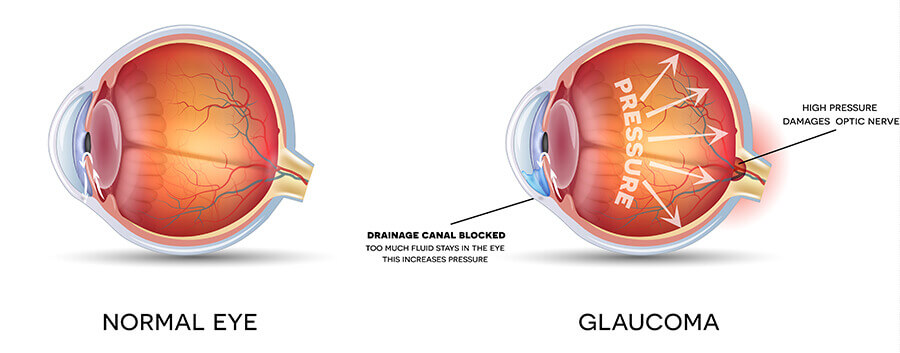
Glaucoma is an irreversible eye condition that occurs when increased pressure in the eye causes damage to the optic nerve. Often called the “silent thief of sight,” glaucoma is one of the leading causes of blindness worldwide.
The condition develops when fluid in the eye doesn’t drain properly, causing pressure to build up and gradually damage the delicate nerve fibers that transmit visual information to the brain. Without treatment, this damage progresses from the peripheral vision inward, eventually leading to complete vision loss.
What are the Symptoms of Glaucoma?
The most common type of glaucoma is symptomless. This is why regular eye exams are recommended, especially for anyone with risk factors. An eye exam is often the only way to discover this type of glaucoma. This form, known as open-angle glaucoma, develops so slowly that many people don’t notice any changes until significant vision loss has occurred.
By the time symptoms become noticeable, the damage is already permanent. Less common forms, such as acute angle-closure glaucoma, can cause sudden symptoms including severe eye pain, headaches, blurred vision, rainbow halos around lights, nausea, and vomiting. This type requires immediate medical attention to prevent rapid vision loss.
What are the Risk Factors?
You may be at an increased risk of developing glaucoma if you have a family history of glaucoma, are nearsighted, or have diabetes or heart disease. Regular screening is essential for early detection, especially if you have multiple risk factors. Adults should have comprehensive eye exams every one to two years after age 40, or more frequently if recommended by their eye care professional.
How is Glaucoma Treated?
- Eye drops to lower the pressure within the eye
- Laser therapy to stimulate cells in the drainage outlet
- Surgical treatment to increase fluid drainage
Following your treatment plan exactly as prescribed is essential because vision lost to glaucoma cannot be reversed, and treatment can only prevent further damage.
